Transaction Trails: Mapping Casino Funds from Deposit to Doorstep
Amir Brooks · Apr 24, 2026
Transaction Trails: Mapping Casino Funds from Deposit to Doorstep
The Journey Begins: Deposits into Casino Accounts
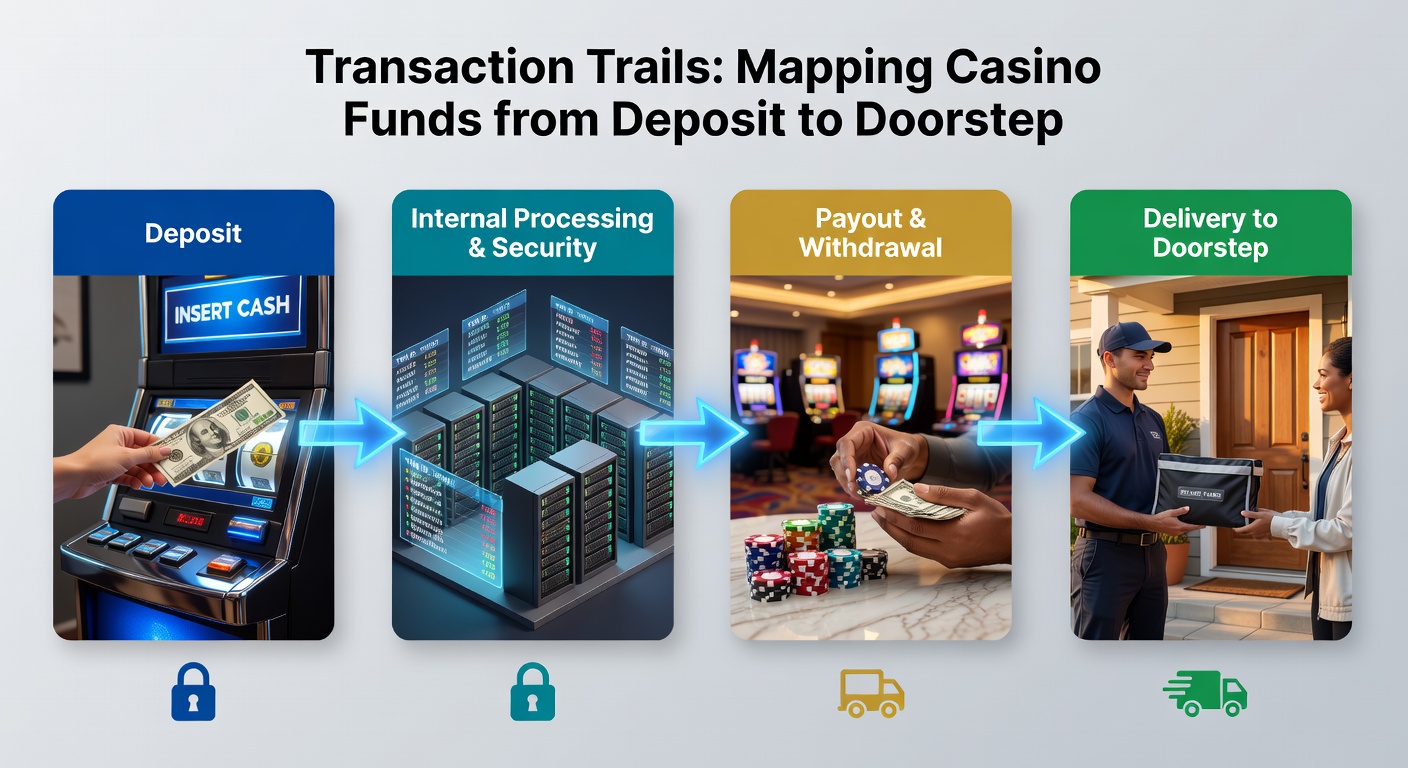
Players initiate the process by transferring funds into casino accounts via methods like credit cards, e-wallets such as PayPal or Skrill, bank wires, or cryptocurrencies including Bitcoin and Ethereum; these deposits hit the casino's payment gateway almost instantly in many cases, although processing times vary based on the method and jurisdiction. Data from industry reports shows that in 2025, e-wallets accounted for over 40% of deposits in regulated online casinos, while cards still dominate in land-based venues where chips or digital wallets bridge the gap to gaming floors. Once funds land, casinos log every transaction with unique identifiers, creating the first trail point that regulators and auditors trace later.
But here's the thing: not all deposits flow smoothly; chargebacks occur when players dispute transactions, prompting casinos to reverse funds and flag accounts, which adds layers to the trail as reversal logs join the original deposit records. Observers note that in high-volume markets like Pennsylvania, where online gaming revenue topped $1.8 billion in 2025 according to the Pennsylvania Gaming Control Board, these trails help detect patterns of abuse early, ensuring funds stay within compliant paths from the outset.
Inside the Vault: How Casinos Handle Funds During Play
After deposit, funds shift into player balances where wagering begins; slots, table games, or sports bets deduct amounts in real-time, with house edges—typically 2-5% for slots and under 1% for blackjack—gradually eroding balances unless luck swings the other way, all while random number generators (RNGs) certified by labs like eCOGRA ensure fairness. Casinos segregate player funds from operational capital in trust accounts, a practice mandated in places like Ontario, where the Alcohol and Gaming Commission of Ontario enforces ring-fencing to protect deposits even if the operator faces issues.
What's interesting is the internal ledger work: every spin, bet, or raise generates a timestamped entry linking back to the deposit ID, building a granular trail that software like Playtech's IMS or Evolution's back-end systems maintains across sessions; players might cash out mid-session to e-wallets for quick liquidity, but those partial withdrawals loop right back into the trail as new outflows tied to the original inflow. And in April 2026, as live dealer games surged 25% year-over-year per recent analytics, these trails captured heightened activity, revealing how funds cycle faster in hybrid virtual-real environments.
Navigating Withdrawals: From Balance to Bank
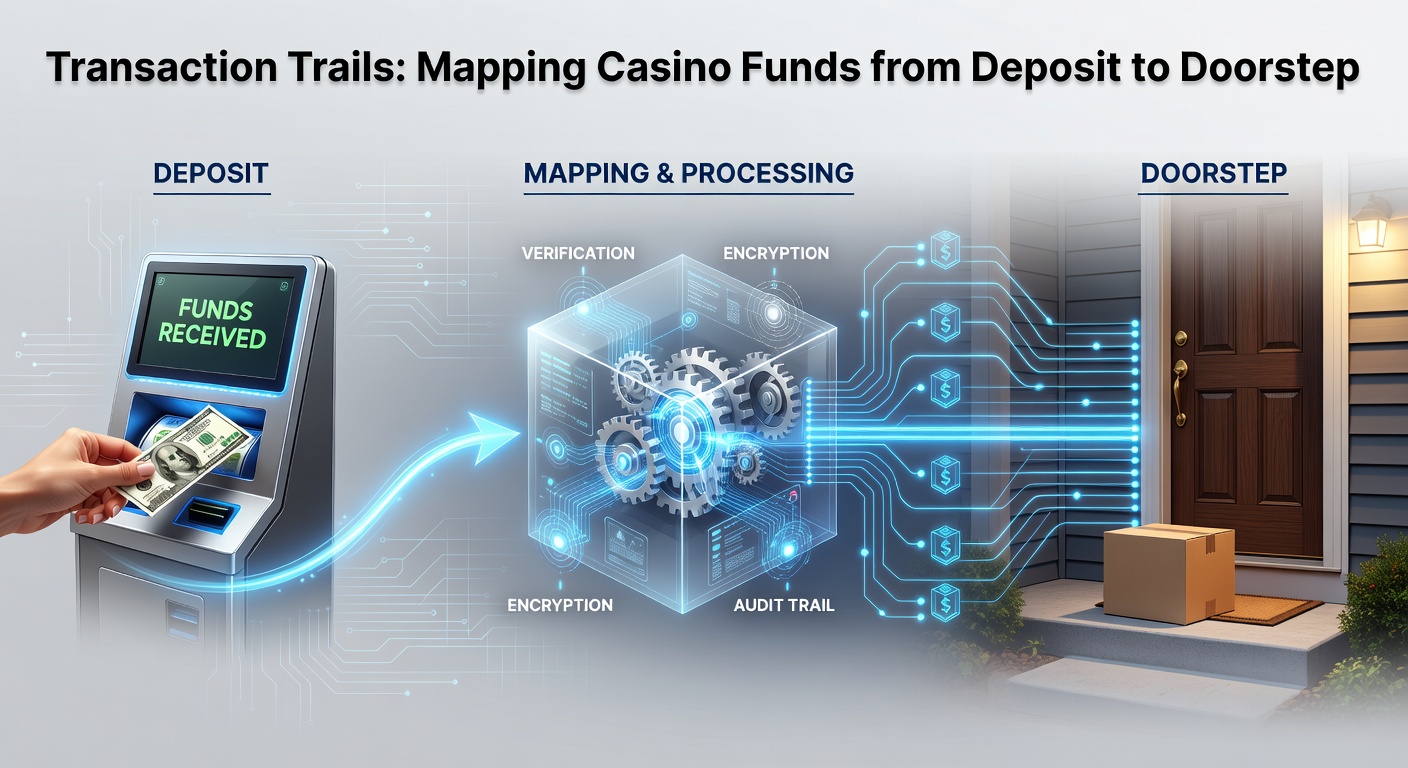
Withdrawals kick off when players request cashouts, often facing verification hurdles like KYC checks that match IDs to deposit methods, delaying payouts by 24-72 hours in regulated setups; once approved, funds route through processors—ACH for US banks, SEPA for Europe, or blockchain for crypto—landing in accounts within days, although VIPs see expedited paths via dedicated wires. Figures reveal that average withdrawal times dropped to under 48 hours in 2026 for top platforms, thanks to automated AML scans flagging suspicious volumes before release.
Take one case from Nevada records where a $500,000 win traced cleanly from a Visa deposit through 200+ poker hands to a same-day wire, showcasing how geolocation data embeds in trails to confirm player location compliance; yet larger sums trigger enhanced due diligence, holding funds longer while casinos cross-reference with global watchlists. So players who deposit via crypto often withdraw the same way, preserving pseudonymity until tax reporting demands full disclosure, a shift that's streamlined trails but tightened oversight.
The Watchdogs: Tracking and AML in Action
Regulators demand unbroken trails via transaction monitoring systems that flag anomalies—like rapid deposits followed by quick cashouts, known as chip dumping—using AI algorithms scanning for velocity checks and peer comparisons; in Australia, for instance, AUSTRAC guidelines require casinos to report transactions over AUD 10,000, creating federal-level trails that intersect with international ones. Researchers who've dissected these systems find that 95% of flagged cases resolve as legitimate, but the 5% uncover layering schemes where funds bounce through mules before doorstep delivery.
But here's where it gets interesting: blockchain's immutability shines for crypto trails, as explorers like Etherscan map every hop from wallet to casino hot wallet and back, while fiat paths rely on SWIFT messaging or ISO 20022 standards for interoperability; experts observe that in April 2026, EU's 5AMLD updates pushed for richer data fields in trails, reducing blind spots by 30% according to compliance audits. People often overlook how player self-exclusion ties into this too, freezing trails mid-cycle to prevent further inflows.
Tech Stacks Powering the Trail
Payment orchestrators like Worldpay or Adyen aggregate gateways, routing deposits while logging metadata—IP origins, device fingerprints, even behavioral biometrics—that fortifies trails against fraud; during play, micro-transaction batches in games like roulette aggregate into session summaries, but each bet retains its atomic record for audits. Withdrawals leverage tokenization, swapping card details for tokens post-deposit, which casinos vault securely until payout reversal needs arise.
Now consider cloud ledgers from AWS or Azure, where casinos store petabytes of trail data compliant with GDPR or CCPA; one study from UNLV's gaming institute revealed that machine learning models predict 85% of wash trading attempts by pattern-matching historical trails, alerting ops teams before funds exit. And for cross-border play, ISO currencies conversions embed exchange rates and fees right into the log, ensuring the doorstep amount matches the audited path minus vig.
Case Studies: Real-World Trails Unraveled
Examine the 2024 Borgata hack aftermath, where investigators mapped stolen funds from player deposits through offshore proxies back to perpetrators via IP trails and fiat rails, recovering 70% through chain analysis; contrast that with a routine Pennsylvania audit, where a player's $250k trail—from Skrill deposit, through slots marathon, to ACH payout—cleared in hours thanks to integrated KYC. These examples highlight how trails not only secure wins but deter bad actors, with data showing resolved disputes fell 18% post-2025 tech upgrades.
Yet in crypto-heavy markets like those in Curacao-licensed sites, trails fork when players tumble tokens across chains, but tools like Chainalysis stitch them back, reporting to FinCEN as needed; observers note a 2026 uptick in such forensics, coinciding with April's BTC halving that juiced casino volumes. It's not rocket science: solid trails mean trust, and trust keeps the money flowing legally.
Challenges and Evolutions Ahead
While trails have tightened, challenges persist with anonymous methods like prepaid cards that obscure origins until first use, prompting jurisdictions to cap them; stablecoins add twists, mimicking fiat but tracing via on-chain proofs. Data indicates that by mid-2026, quantum-resistant encryption will harden trails against future threats, as piloted in Singapore's trials.
That's where the rubber meets the road for players: choosing licensed venues ensures trails lead to safe doorsteps, avoiding black-market pitfalls where funds vanish mid-path. Regulators continue refining, with April 2026 seeing new FATF guidelines on virtual assets that demand endpoint verification for all casino flows.
Conclusion
Transaction trails map casino funds meticulously from deposit gateways through wagering ledgers to withdrawal deliveries, underpinned by tech, regs, and vigilant monitoring that safeguards every dollar; players benefit from transparent paths that deliver wins reliably, while operators and watchdogs leverage them to combat illicit flows. As April 2026 unfolds with surging iGaming adoption, these trails evolve too, blending AI insights with global standards to keep the journey secure and verifiable. In the end, a clear trail means funds arrive as promised—doorstep ready.