The Ripple Effects of Provider Compliance Checks on Global Gaming Transaction Networks
Amir Brooks · Jul 19, 2026
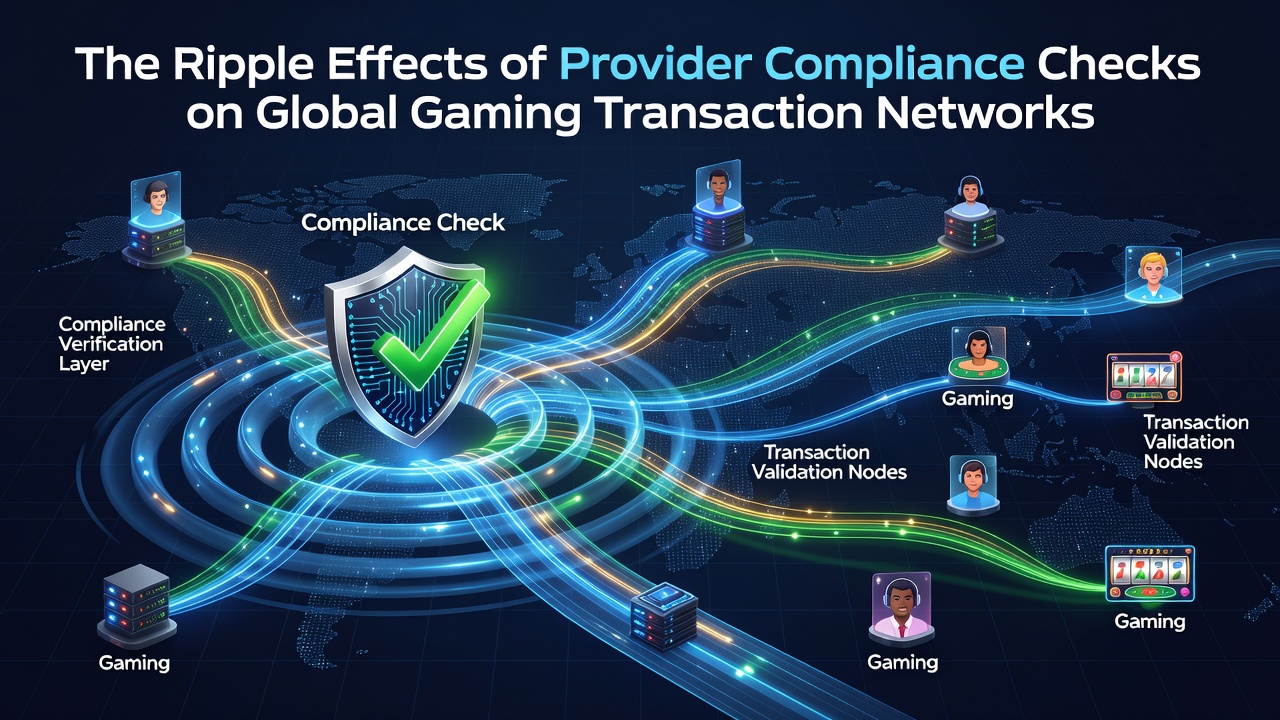
The Ripple Effects of Provider Compliance Checks on Global Gaming Transaction Networks
Provider compliance checks have become a standard feature across payment systems that serve gaming operators, and these reviews trigger adjustments throughout transaction pathways that span multiple continents. Payment providers examine licensing status, anti-money laundering protocols, and customer verification procedures before approving continued service, which creates direct consequences for how funds move between players and platforms.
How Compliance Reviews Alter Transaction Pathways
Operators face extended approval windows once checks begin, and these delays propagate through settlement layers that handle deposits and withdrawals. Networks must reroute traffic when certain providers pause operations, forcing reliance on alternative processors that carry their own fee structures and speed profiles. Data from the Nevada Gaming Control Board shows measurable shifts in average processing durations during audit periods, particularly for cross-border transfers that require additional documentation.
Systems adapt by implementing automated flagging mechanisms that identify high-risk patterns earlier in the cycle, yet this automation still requires human oversight from compliance teams. The result appears in staggered release schedules where smaller transactions clear faster while larger volumes undergo manual review, and this tiered approach spreads across networks that connect European, Asian, and North American operators.
Regional Variations in Network Response
Asia-Pacific corridors experienced heightened scrutiny throughout spring 2026, and July brought additional verification layers for providers operating in markets with recent legislative updates. Australian regulators coordinated with international counterparts to align standards, which produced synchronized pauses in certain crypto-to-fiat channels that serve regional platforms. Observers documented temporary volume migrations toward processors already certified under updated frameworks, creating visible imbalances in daily settlement figures.
North American networks responded with incremental upgrades to monitoring software rather than wholesale provider switches, and these modifications allowed continued operation while audits progressed. European operators encountered stricter documentation demands on player fund segregation, which lengthened reconciliation cycles between gaming sites and their banking partners. The cumulative effect shows up in quarterly reports that track both transaction counts and average completion times across jurisdictions.
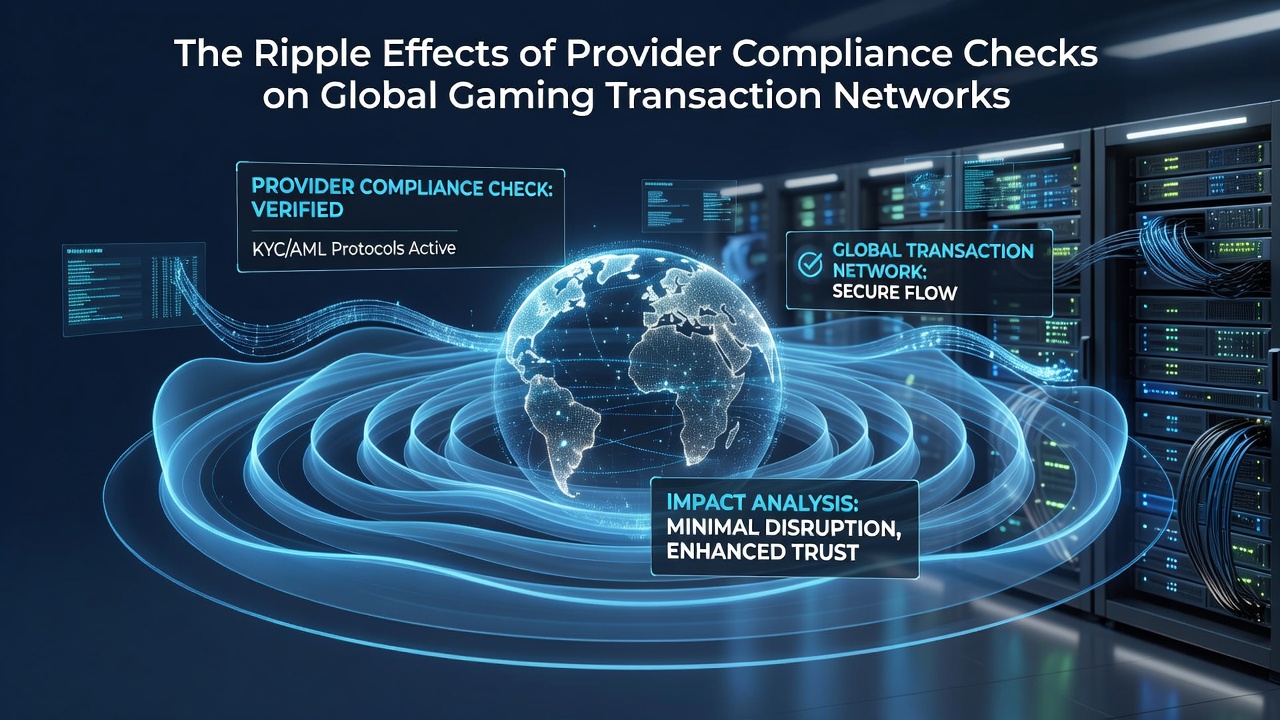
Adjustments in Technology and Verification Layers
Multi-factor authentication systems receive priority attention during compliance cycles because providers demand tighter integration between identity checks and transaction authorization. Gaming networks that already maintained separate KYC databases found themselves merging records to satisfy unified reporting requirements, and this consolidation reduced duplicate verification steps for returning players. Research published by the University of Nevada Reno's gaming studies group indicates that integrated systems cut repeat documentation requests by measurable percentages once fully deployed.
Crypto pathways face distinct challenges because wallet screening tools must now interface with traditional banking rails under the same compliance umbrella. Providers insist on on-chain analysis reports that trace fund origins before allowing conversion services, which adds processing stages that did not exist in earlier configurations. Networks respond by pre-screening popular wallet addresses and maintaining approved lists that speed subsequent transactions, although new addresses still trigger full review sequences.
Effects on Settlement Timelines and Operator Strategies
Withdrawal queues lengthen when compliance flags appear mid-cycle, and operators communicate revised estimates to players through updated terms and dashboard notifications. Some platforms shift promotional emphasis toward deposit bonuses while withdrawal speeds stabilize, and this tactical adjustment appears consistently across markets undergoing active reviews. Settlement partners introduce batch processing windows that group similar transactions together, which reduces per-item verification costs but extends the time between request and completion.
Operators diversify their processor portfolios to limit exposure to any single provider's audit schedule, and this spread creates redundancy that maintains service continuity when one channel pauses. Figures released by the Pennsylvania Gaming Control Board track the gradual increase in multi-processor arrangements among licensed sites, reflecting a broader industry pattern that emerged clearly by mid-2026.
Conclusion
Provider compliance checks continue to reshape transaction networks by enforcing verification standards that ripple outward from individual operators to entire payment ecosystems. Regional responses vary according to existing regulatory maturity and technological readiness, yet the overall direction points toward tighter integration between compliance tools and settlement infrastructure. Networks that adapt verification layers and diversify processor relationships maintain smoother operations during review periods, while those slow to adjust encounter repeated interruptions in fund movement. The pattern established through 2026 suggests ongoing refinement rather than reversal of these interconnected requirements.