Navigating Multi-Currency Sync Issues Across Global Gaming Networks
Amir Brooks · Jun 12, 2026
Navigating Multi-Currency Sync Issues Across Global Gaming Networks
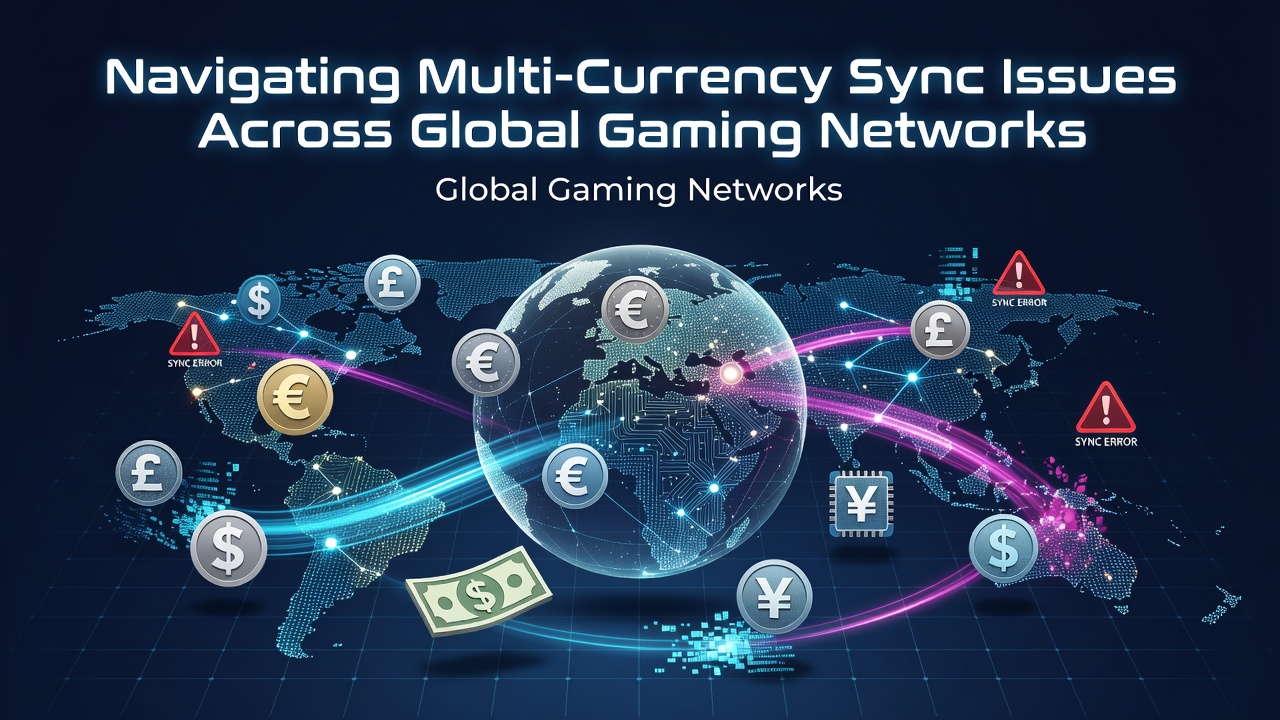
Global gaming networks handle transactions across dozens of currencies daily, and synchronization problems arise when exchange rates fluctuate or when platforms process payments in real time across different jurisdictions. Operators must align data from multiple financial rails while complying with local rules that change frequently, and June 2026 brought fresh reporting requirements in several Asian markets that forced immediate adjustments to existing sync protocols.
Core Technical Barriers in Currency Alignment
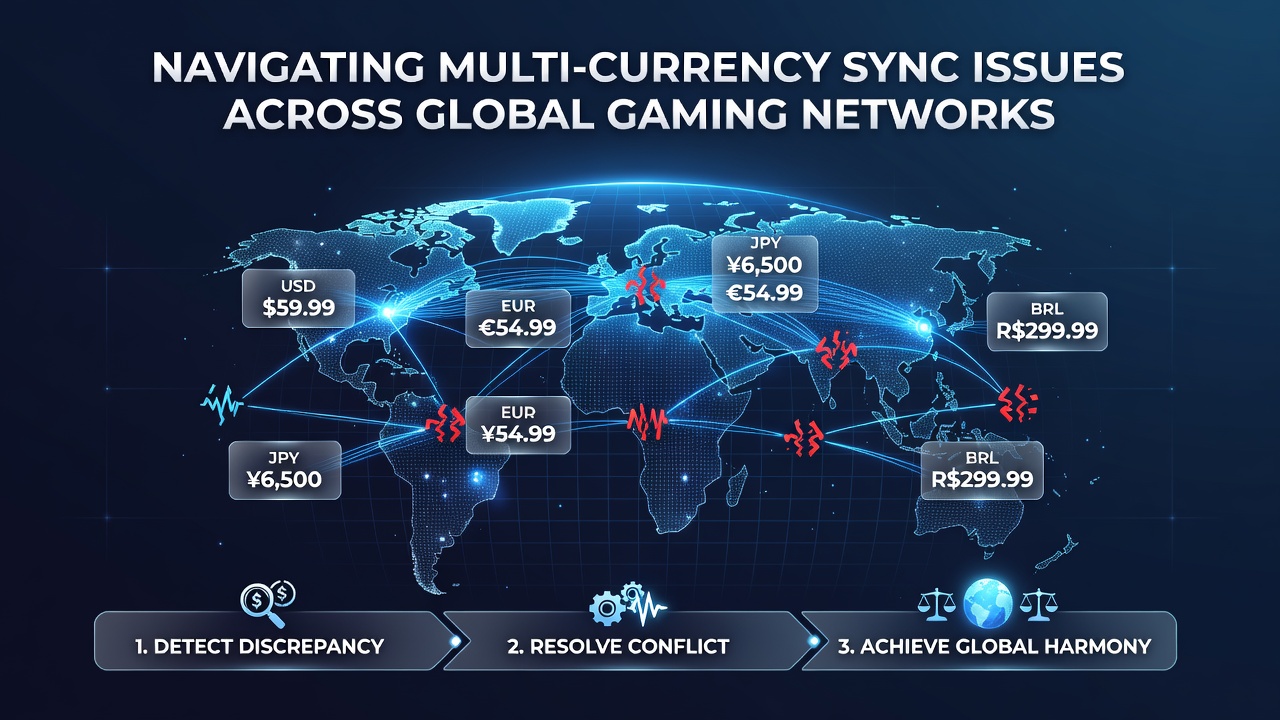
Latency between regional servers creates the most common mismatch, because one node may record a bet in euros while another converts the same amount into yen seconds later at a slightly different rate. Database replication lags compound this issue when high-volume periods overload central ledgers, leaving some player balances temporarily out of step. Engineers address these gaps through timestamped reconciliation layers that flag discrepancies within milliseconds, yet full resolution still requires manual oversight in complex cross-border scenarios.
API endpoints supplied by payment processors often return inconsistent decimal precision, and small rounding differences accumulate across thousands of micro-transactions. Gaming platforms counter this by enforcing standardized rounding rules at the application layer, while also maintaining separate audit tables that track every conversion event for later verification.
Regulatory Pressures Shaping Sync Requirements
Authorities in multiple regions now demand granular logs that show exact conversion rates applied at the moment each wager settles. The Gaming Commission of Ontario published updated technical standards in early 2026 that require operators to retain rate snapshots for at least seven years, and similar language appeared in draft rules from the Singapore Ministry of Home Affairs during the same period. These mandates increase storage costs and force developers to redesign logging pipelines so every sync event carries immutable metadata.
Regional Differences in Compliance Timelines
European operators working under the Malta Gaming Authority face quarterly audits that test currency sync accuracy against live market feeds, whereas Australian platforms licensed by state regulators must demonstrate real-time rate validation during annual reviews. The variation means global networks cannot apply a single technical solution everywhere; instead they deploy modular compliance modules that activate based on player location.
Practical Approaches Used by Large Operators
One network serving players across North America and Southeast Asia implemented a central rate cache refreshed every fifteen seconds from multiple banking sources, and this reduced sync errors by roughly forty percent according to internal metrics shared with industry analysts. Another firm adopted distributed ledger segments for high-value transactions, allowing independent verification nodes to confirm conversion integrity before balances update. Both strategies still rely on fallback procedures when primary feeds experience outages, underscoring that redundancy remains essential.
Staff training programs now include scenario drills focused on rapid detection of sync drift, because human review catches edge cases that automated systems occasionally miss. These drills simulate sudden regulatory announcements, such as the June 2026 restrictions on certain digital asset pairings, and require teams to adjust conversion logic without interrupting live play.
Emerging Tools and Industry Standards
Research from the International Gaming Technology Association indicates that standardized message formats for currency events can cut reconciliation time by up to sixty percent when adopted across multiple vendors. Several platforms have begun testing open-source libraries that embed regulatory rule sets directly into sync engines, allowing automatic adaptation when new rules take effect. Early adopters report fewer support tickets related to balance disputes, although full rollout across legacy systems continues to present integration hurdles.
Observers note that continued collaboration between payment processors and gaming software providers will determine how quickly these tools reach smaller operators who lack dedicated engineering resources. Data shared at recent trade gatherings shows that networks using unified sync frameworks experience fewer regulatory queries during routine inspections.
Conclusion
Multi-currency synchronization in global gaming networks hinges on precise timing, robust logging, and adaptable compliance layers that respond to shifting regulations. Platforms that invest in real-time reconciliation and modular rule engines maintain smoother operations even when external conditions change abruptly. As new requirements surface in different regions, the same technical patterns that resolved earlier challenges continue to guide effective solutions.