Inside the Mechanics of Multi-Layered Verification for Efficient Fund Movements in Virtual Casinos
Amir Brooks · May 22, 2026
Inside the Mechanics of Multi-Layered Verification for Efficient Fund Movements in Virtual Casinos
Virtual casinos rely on multi-layered verification systems that combine identity checks, transaction monitoring, and cryptographic protocols to move funds quickly while meeting regulatory standards, and these systems have evolved significantly by May 2026 to handle higher volumes of digital payments across global networks.
Core Components of Verification Layers
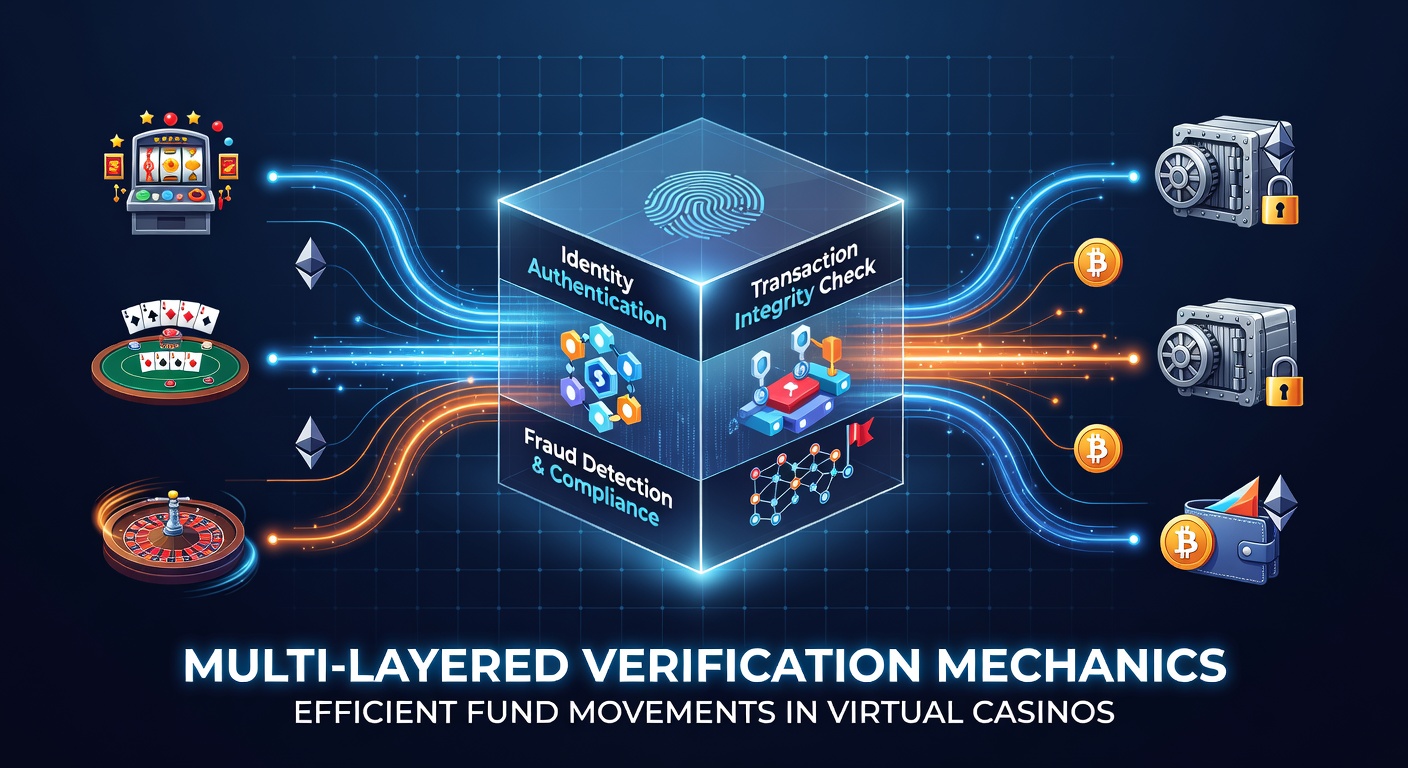
Operators structure verification into sequential stages that begin with initial account setup and continue through every deposit and withdrawal request, where each layer processes specific data points before passing approval to the next stage, and this sequential design reduces bottlenecks because automated tools handle routine checks while human reviewers focus only on flagged cases. Researchers at institutions like the University of Nevada, Las Vegas Center for Gaming Research have documented how biometric matching and document scanning form the first barrier, followed by behavioral analytics that track spending patterns against historical baselines, while a final cryptographic layer confirms blockchain transactions in real time for crypto-based platforms.
Identity and Compliance Integration
Players encounter the first verification layer during registration when platforms collect government-issued identification, proof of address, and sometimes facial scans that algorithms compare against official databases, and this process typically completes within minutes for most users because optical character recognition extracts details automatically before cross-referencing occurs. Subsequent layers activate during fund movements, where systems verify that the payment method belongs to the registered account holder through micro-deposit confirmations or wallet address matching, and data from the New Jersey Division of Gaming Enforcement shows that such integrated checks have lowered average processing times for verified accounts while maintaining compliance with anti-money laundering rules across multiple jurisdictions.
Transaction Monitoring and Real-Time Analysis
Once identity clears, monitoring engines examine transaction frequency, amounts, and geographic origins against established risk profiles, triggering additional reviews only when patterns deviate from norms such as sudden large transfers after periods of inactivity, and this targeted approach allows routine small withdrawals to proceed without delay. In May 2026 platforms updated their algorithms to incorporate machine learning models trained on broader datasets from international operators, which improved detection accuracy for suspicious activity while accelerating clearance for low-risk movements that represent the majority of daily activity.

Smart contract protocols on blockchain networks add another verification dimension by automatically executing predefined conditions before releasing funds, and observers note that these contracts reduce manual intervention because they validate wallet ownership and transaction history directly on the ledger without requiring separate confirmation steps from the casino operator.
Efficiency Gains Through Layered Automation
Combined layers create efficiency because each stage builds on verified data from the previous one, eliminating redundant requests for information that players already supplied during onboarding, and industry reports indicate that platforms using unified verification databases cut average withdrawal times by integrating results across deposit, play, and cashout phases. When one layer identifies a potential issue, the system pauses only that specific transaction rather than halting the entire account, which keeps most fund movements flowing smoothly while routing exceptions to specialized teams for quick resolution.
Regulatory Alignment and System Updates
Virtual casino operators adjust verification parameters in response to regulatory updates from bodies such as the New Jersey Division of Gaming Enforcement and similar agencies in other regions, ensuring that new requirements integrate into existing layers without disrupting processing speeds. By May 2026 several major platforms implemented enhanced API connections between verification providers and payment processors, allowing data to pass securely between systems in milliseconds and supporting faster reconciliation of funds across multiple currencies and crypto networks.
Conclusion
Multi-layered verification continues to balance security requirements with operational speed in virtual casinos through coordinated identity checks, behavioral monitoring, and cryptographic confirmations that process most transactions automatically. These mechanics support efficient fund movements by minimizing unnecessary delays while addressing compliance obligations across different regulatory environments.