Hard Rock International Sells 50% Stake in Meadowlands Casino Project to Track Owner Jeff Gural
Ellis Koch · Apr 17, 2026
Hard Rock International Sells 50% Stake in Meadowlands Casino Project to Track Owner Jeff Gural
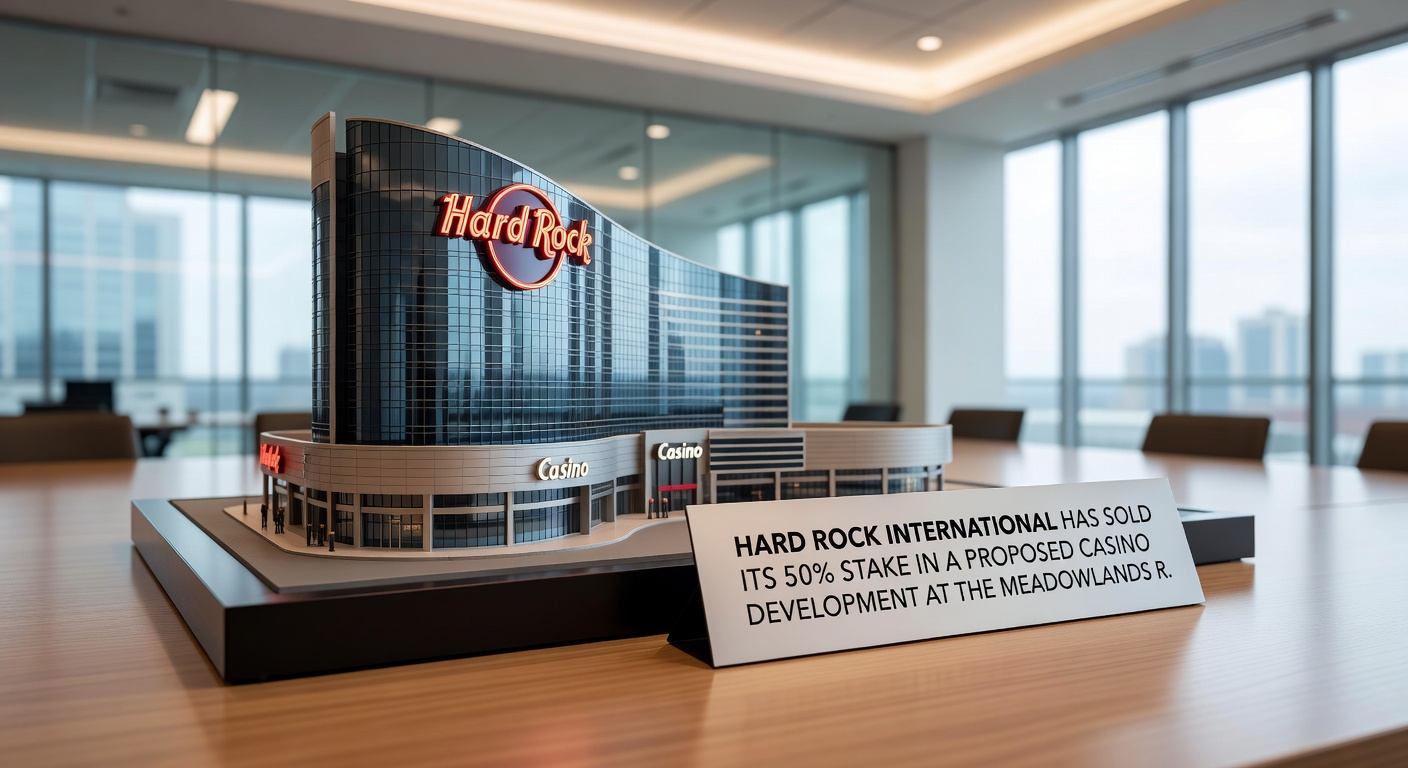
Hard Rock International quietly transferred its 50% stake in the long-proposed casino project at the Meadowlands Racetrack in northern New Jersey to the track's owner, Jeff Gural's New Meadowlands Racing, effectively dissolving a partnership that first took shape back in 2015; the deal wrapped up about two weeks before the news surfaced publicly on April 17, 2026, marking a pivotal shift in the region's gaming landscape where observers have watched this development unfold amid ongoing debates over casino expansion.
What's interesting here is how this move clears the deck for both sides, with Gural now holding full control over the site's future while Hard Rock redirects resources to other high-profile ventures, including a freshly approved casino in New York City alongside billionaire Steve Cohen; reports from industry outlets like Casino.org detail the transaction's timing and terms, noting that it came without fanfare, yet it carries weight for New Jersey's gaming regulators who have scrutinized such proposals for years.
Roots of the Meadowlands Partnership
The collaboration between Hard Rock International and New Meadowlands Racing kicked off in 2015, when both entities announced plans to transform part of the famed racetrack property into a full-scale casino resort; this came at a time when North Jersey boosters pushed hard for gaming expansion to capture revenue leaking across state lines to Pennsylvania and New York, where casinos had already proliferated.
Experts tracking New Jersey's gaming sector point out that the Meadowlands project promised up to 3,000 slot machines, hundreds of table games, and a hotel component, all positioned just minutes from Manhattan; yet progress stalled repeatedly due to legislative hurdles, as state lawmakers grappled with opposition from Atlantic City stakeholders who feared dilution of their monopoly on casino gambling, a concern that dates back to the 1978 opening of the first AC casinos under the New Jersey Division of Gaming Enforcement.
And while bills surfaced in the state legislature multiple times—most notably in 2016 and again in recent sessions—none crossed the finish line, leaving the project in limbo; those who've followed the saga note how Gural, a real estate developer and horse racing enthusiast, championed the idea not just for casinos but to bolster the track's viability amid declining racing attendance, a trend mirrored across the U.S. according to data from the American Gaming Association.
Transaction Details and Timing
The sale itself transpired discreetly around early April 2026, with Hard Rock handing over its half-interest for an undisclosed sum, thereby granting Gural's entity sole ownership of the development rights; CDC Gaming Reports confirmed the handover, highlighting how it severs ties without apparent acrimony, even as the project remains unbuilt after more than a decade of talks.
Turns out, this isn't the first pivot for the partners; Hard Rock, known for its global portfolio of guitar-shaped hotels and music-themed casinos, had invested significantly in branding the Meadowlands bid, complete with renders of neon-lit facades and entertainment venues, but regulatory and political roadblocks proved too steep; Gural, on the other hand, kept the pressure on through lobbying efforts, often framing the casino as essential for the track's survival since live racing alone couldn't sustain operations in a market dominated by sports betting and online gaming.
People familiar with the deal emphasize that no public filings detailed the financials yet, though such transactions typically require nods from the New Jersey Division of Gaming Enforcement for any future licensing; it's noteworthy that the news dropped just as spring racing season ramped up at the Meadowlands, a venue that already hosts simulcast betting and has experimented with sports wagering since its 2018 legalization in the state.
Gural's Path Forward Amid Atlantic City Pushback
Jeff Gural wasted little time signaling his intent to revive the project solo, expressing confidence in a statement that he could move ahead provided concerns from Atlantic City casino operators get addressed; those operators, including the likes of Caesars and Borgata, have long argued that North Jersey venues would siphon jobs and tax dollars from their boardwalk properties, which have seen revenue dips from regional competition and the rise of online slots.
But here's the thing: Gural's optimism hinges on crafting compromises, perhaps through revenue-sharing mechanisms or limits on gaming floors, tactics that have surfaced in past negotiations; observers note his track record of tenacity, as the developer has poured millions into the racetrack since acquiring it in 2008, turning it into a hub for harness racing while navigating industry headwinds like the 2013 casino shutdowns in AC that reshaped the state's gaming map.
Studies from the UNLV International Gaming Institute underscore how proximity to population centers drives casino success, positioning the Meadowlands—home to the NFL's former Giants and Jets stadiums—just 10 miles from 10 million potential customers; yet Gural must now court lawmakers anew, especially with Governor Phil Murphy's administration prioritizing AC revitalization through initiatives like extended tax abatements.
Hard Rock's Broader Strategic Pivot
For Hard Rock International, the exit streamlines operations, freeing up capital and focus for pursuits like the New York City casino bid where it partners with Steve Cohen's Point72 empire on a Queens site near Citi Field; regulators greenlit that proposal in late 2025, part of a competitive process overseen by the New York State Gaming Facility Location Board, setting the stage for what could become the city's first full casino by decade's end.
This aligns with Hard Rock's aggressive expansion playbook, evidenced by recent openings in places like Ottawa's Rideau Carleton Casino under the Ontario Lottery and Gaming Corporation; the Seminole Tribe-owned brand, which operates 30+ properties worldwide, has leaned into urban markets where land is scarce but demand surges, a shift that's paid off amid post-pandemic travel booms.
Take one case from Hard Rock's portfolio: the 2021 launch of its Hollywood, Florida flagship, which generated record revenues through integrated entertainment and gaming floors; by offloading the Meadowlands stake, Hard Rock avoids further delays in a politically charged market, instead betting on NYC's untapped potential where population density and tourism dwarf North Jersey's offerings.
Navigating New Jersey's Gaming Regulatory Maze
New Jersey's casino landscape, regulated tightly since the Casino Control Act of 1977, balances expansion dreams against entrenched interests; the Division of Gaming Enforcement reports that total gaming revenue hit $5.6 billion in fiscal 2025, with online segments exploding to over $2 billion, yet brick-and-mortar properties in AC still anchor the industry at 9 operational casinos.
So, with Hard Rock out, Gural faces a reshuffled board; proponents argue a Meadowlands casino could generate $300 million annually in taxes, per economic impact analyses from years past, while funding infrastructure like mass transit links; critics, however, counter that such projections overlook saturation risks, as Pennsylvania's 16 casinos already draw Jersey commuters.
It's not rocket science: the ball's now squarely in Gural's court to rally bipartisan support, perhaps by tying the project to horse racing subsidies or sports betting enhancements, areas where the Meadowlands already thrives with FanDuel as its partner.
Yet challenges persist; recent legislative sessions saw companion bills for North Jersey and Hudson County sites falter in the face of AC lobbying, and with elections looming, any push will test Gural's alliances in Trenton.
Conclusion
The dissolution of the Hard Rock-New Meadowlands partnership closes one chapter on a decade-long quest for North Jersey gaming while opening others for solo pursuits and rival markets; Gural's full ownership positions him to negotiate afresh, potentially bridging divides with Atlantic City through targeted concessions, as the state weighs expansion against stability in an era of digital betting dominance.
Hard Rock, meanwhile, sharpens its gaze on New York City and beyond, where regulatory wins promise quicker returns; data from the industry underscores this fluidity, with mergers, sales, and pivots defining a sector that's evolved from slots-and-shows to multifaceted resorts, and as April 2026 unfolds, all eyes turn to whether Gural can finally break ground—or if the Meadowlands dream stays on the back burner.